
Editorial Team · on 15 June 2026 · 7 min read · Last reviewed 15 June 2026
Art appreciation is the practice of understanding, analyzing, and connecting with visual art to evoke and interpret emotional responses.
01Key facts
- Art appreciation enhances empathy, with studies showing a 27% improvement in emotional intelligence after regular museum visits (source: National Endowment for the Arts).
- The global art market was valued at $65.1 billion in 2021, with fine art accounting for $32.4 billion (source: UBS & Art Basel).
- Color psychology plays a crucial role in art appreciation; for instance, red can evoke feelings of passion or anger, while blue is often associated with calmness or sadness.
- Art appreciation can reduce stress and improve mental health, with 60 minutes of art engagement linked to a 31% reduction in cortisol levels (source: University of Pennsylvania).
02Why is art appreciation important?
Art appreciation fosters a deeper understanding of human emotions, cultures, and histories. By engaging with art, individuals can develop critical thinking skills, broaden their perspectives, and find personal meaning in visual expressions. Art appreciation also promotes cultural literacy, allowing people to connect with diverse traditions and ideas.
Moreover, art appreciation encourages self-reflection and personal growth. Artworks often serve as mirrors, reflecting our inner thoughts and feelings. By analyzing and interpreting art, individuals can gain insights into their own emotions and experiences. This process can be therapeutic, helping people to process complex emotions and find healing.
Art appreciation also plays a significant role in education. It enhances creativity, problem-solving skills, and visual learning. Schools that integrate art appreciation into their curricula often see improved academic performance and increased student engagement. For example, programs like the initiative have shown that exposure to the arts can lead to better educational outcomes.
03What are the key elements of art appreciation?
The key elements of art appreciation include form, color, line, shape, space, texture, and value. These elements are the building blocks of visual art and understanding them is crucial for analyzing and interpreting artworks. For example, the use of color can evoke different emotions and moods, while the composition of lines and shapes can create a sense of movement or balance.
Another important aspect of art appreciation is the context in which an artwork is created. Understanding the historical, cultural, and social context of an artwork can provide valuable insights into its meaning and significance. For instance, knowing that Pablo Picasso’s “Guernica” was painted in response to the bombing of a Basque town during the Spanish Civil War adds a layer of depth to the interpretation of the painting.
Additionally, the technical aspects of art, such as brushwork, composition, and use of materials, are essential for a comprehensive understanding. Recognizing these techniques can help appreciate the skill and creativity of the artist. For example, the impasto technique used by Vincent van Gogh, where thick layers of paint are laid on the canvas, creates a textured surface that adds depth and dimension to his works.
04How can one develop art appreciation skills?
Developing art appreciation skills involves a combination of education, practice, and personal exploration. Taking art history courses, attending museum workshops, and reading art criticism can provide a solid foundation of knowledge. Additionally, visiting art galleries and museums regularly can help individuals to familiarize themselves with different styles and techniques.
Practical exercises, such as drawing or painting, can also enhance art appreciation skills. By creating art, individuals can gain a deeper understanding of the technical aspects of art-making and develop a greater appreciation for the skill and creativity of artists. Joining art clubs or online communities can provide opportunities for discussion and learning from others.
Think of art appreciation like learning a new language. Just as you need to understand grammar, vocabulary, and context to communicate effectively, you need to grasp the elements of art, historical background, and cultural significance to fully appreciate and interpret visual expressions.
05What are the different styles and movements in art?
Art history is rich with diverse styles and movements, each with its unique characteristics and influences. Some of the most notable movements include Renaissance, Baroque, Impressionism, Cubism, Surrealism, and Abstract Expressionism. Understanding these movements can provide a framework for analyzing and appreciating artworks.
For example, Renaissance art is characterized by its emphasis on humanism, perspective, and realism. Artists like Leonardo da Vinci and Michelangelo are known for their detailed and lifelike depictions of the human form. In contrast, Abstract Expressionism, which emerged in the mid-20th century, focuses on spontaneous, emotive expressions of color and form, with artists like Jackson Pollock and Mark Rothko at the forefront.
06How does art appreciation enhance emotional intelligence?
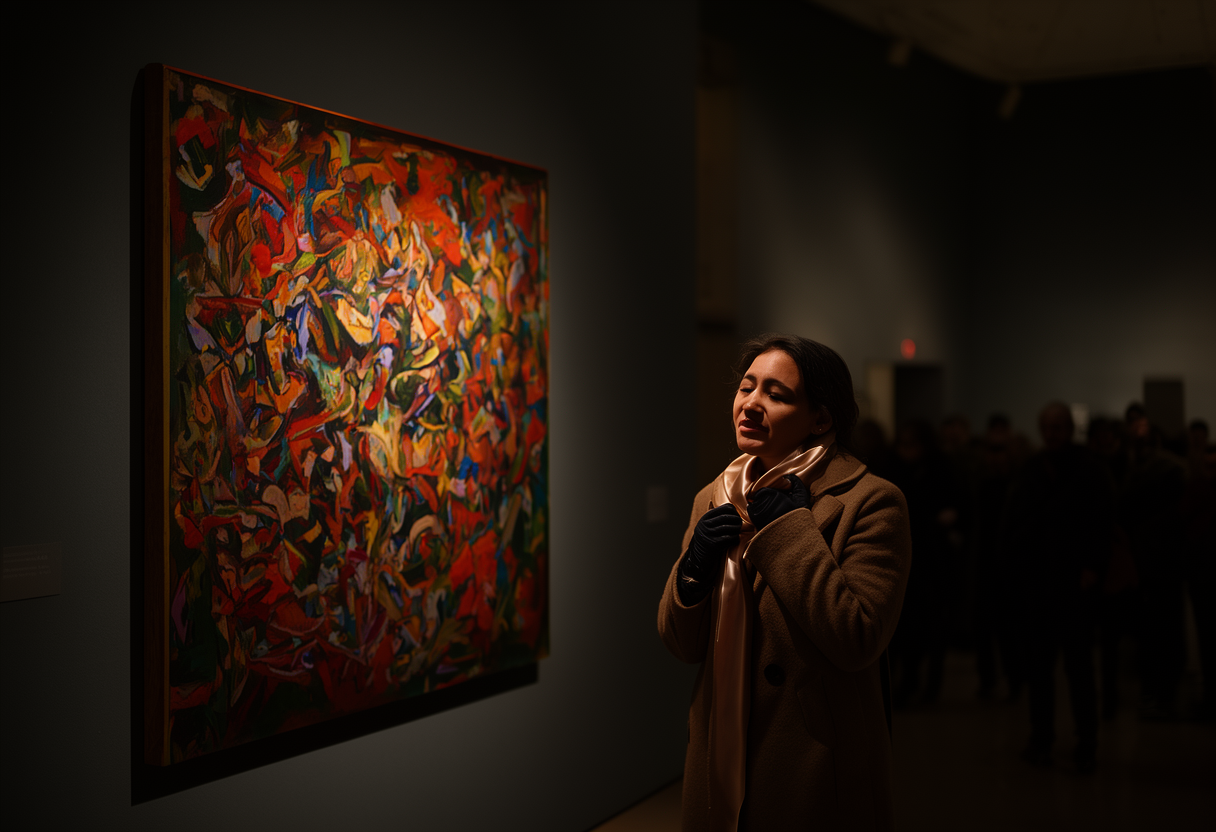
Art appreciation plays a significant role in developing emotional intelligence by fostering empathy, self-awareness, and social skills. Engaging with art allows individuals to step into the shoes of others, understanding different perspectives and emotions. This empathetic connection can enhance interpersonal relationships and improve communication skills.
Art appreciation also encourages self-reflection and emotional expression. Artworks often evoke personal emotions and memories, providing a safe space for individuals to explore and process their feelings. This introspective process can lead to greater self-awareness and emotional resilience.
07How does art appreciation contribute to cultural understanding?
Art appreciation serves as a bridge to cultural understanding by exposing individuals to the traditions, beliefs, and histories of different societies. Artworks often reflect the cultural values and social norms of their time, providing a window into the past and present of various cultures. For example, African masks and sculptures are not only aesthetic objects but also carry spiritual and symbolic significance within their respective communities.
Understanding the cultural context of artworks can foster respect and appreciation for diversity. It encourages individuals to see the world through different lenses and to recognize the shared humanity that underlies cultural differences. For instance, studying the art of indigenous peoples can reveal their deep connection to nature and their unique perspectives on the environment.
Art appreciation also promotes cross-cultural dialogue and exchange. Exhibitions and cultural events that showcase art from different regions can bring people together, fostering a sense of global community. For example, the is a renowned international art exhibition that highlights contemporary art from around the world, facilitating cultural exchange and understanding.
08What are some practical tips for appreciating art?
Here are some practical steps to enhance your art appreciation experience:
- Start by observing the artwork without any preconceived notions. Allow your eyes to wander and take in the details.
- Identify the key elements of art, such as color, line, shape, and texture, and consider how they contribute to the overall composition.
- Research the artist and the historical context of the artwork. Understanding the background can provide valuable insights into its meaning.
- Reflect on the emotions and thoughts the artwork evokes in you. Consider why you might be feeling these emotions and how they relate to the artwork.
- Discuss the artwork with others. Sharing your interpretations and listening to different perspectives can deepen your understanding and appreciation.
- Visit museums and galleries regularly. Exposure to a wide range of artworks can broaden your horizons and enhance your critical thinking skills.
Art appreciation is a journey of discovery and self-exploration. By engaging with art, individuals can connect with their emotions, broaden their perspectives, and find personal meaning in visual expressions. Whether you are a seasoned art enthusiast or a beginner, there is always more to explore and appreciate in the world of art.
To start your journey, consider visiting local art exhibitions or exploring online resources like the . Immerse yourself in the rich tapestry of human creativity and let art enrich your life.
09Frequently asked questions
What is the significance of emotional connection in art appreciation?
Emotional connection in art appreciation is crucial because it transforms a visual experience into a meaningful encounter. When viewers feel an emotional response, whether joy, sorrow, or nostalgia, the art becomes more than just colors and shapes. For example, Van Gogh's 'Starry Night' evokes a sense of wonder and turmoil, making it memorable and impactful.
How can someone develop a deeper appreciation for art?
Developing a deeper appreciation for art involves active engagement. Start by visiting museums and galleries regularly. Observe the details in each piece and read the accompanying information. Discuss art with others to gain different perspectives. Over time, this practice enhances your ability to understand and feel the emotions conveyed in the artwork.
Why do different people interpret the same artwork differently?
Different interpretations of the same artwork stem from individual experiences, cultural backgrounds, and personal emotions. For instance, a landscape painting might remind one person of a cherished childhood memory, while another might see it as a symbol of environmental degradation. These varied responses highlight the subjective nature of art appreciation.
Can art appreciation improve mental well-being?
Yes, art appreciation can improve mental well-being. Engaging with art reduces stress and anxiety by providing a form of emotional release. Studies show that viewing art can increase empathy and self-awareness. Activities like painting or drawing also promote mindfulness, which is beneficial for mental health. Regular exposure to art can foster a more positive outlook on life.