
Editorial Team · on 15 June 2026 · 10 min read · Last reviewed 15 June 2026
Art appreciation is the process of understanding, interpreting, and valuing visual art by engaging with its formal elements, historical context, and emotional resonance.
01Key facts
- Art appreciation involves analyzing color, line, texture, shape, form, value, and space as formal elements.
- The historical context of a work, including the artist’s biography and the cultural environment, significantly influences its meaning.
- Art appreciation encourages viewers to explore their emotional responses and personal connections to artworks.
- Art museums and galleries worldwide house millions of artworks, providing vast opportunities for appreciation.
- Art movements, such as Impressionism, Cubism, and Surrealism, reflect the social, political, and cultural conditions of their time.
02What are the formal elements of art?
Formal elements are the building blocks of visual art. They include color, line, texture, shape, form, value, and space. By analyzing these elements, viewers can better understand how an artist creates meaning and evokes emotion. For instance, color can convey mood—blues and greens often suggest calmness, while reds and oranges may imply energy or passion. Lines can direct the viewer’s eye through the composition, creating a sense of movement or harmony.
Texture refers to the surface quality of an artwork, whether it is physically tactile or merely suggested through visual techniques. Shapes and forms are the structures within the artwork, which can be geometric or organic. Value describes the lightness or darkness of colors and contributes to the artwork’s contrast and depth. Space refers to the area around, between, and within objects in the artwork, which can be positive (occupied by objects) or negative (empty areas).
For example, in Vincent van Gogh’s The Starry Night, the swirling lines and dynamic texture create a sense of movement and emotion, while the contrast of light and dark values adds depth and drama. Understanding these formal elements helps viewers appreciate the technical skill and artistic choices that go into creating a work of art.
Another example is the use of space in Salvador Dalí’s The Persistence of Memory. The vast, empty landscape creates a sense of isolation and timelessness, enhancing the surreal and dreamlike quality of the melting clocks. By analyzing the formal elements, viewers can better understand the artist’s intent and the emotional impact of the artwork.
Think of the formal elements of art like the ingredients in a recipe. Just as different ingredients combine to create a unique dish, these elements combine to create a unique visual experience. By identifying and analyzing each element, you can better understand and appreciate the overall artwork, much like tasting and identifying the individual flavors in a complex dish.

03How does historical context influence art appreciation?
Understanding the historical context of an artwork enhances appreciation by providing insight into the artist’s intentions, the cultural environment, and the societal issues of the time. For example, Frida Kahlo’s self-portraits are deeply influenced by her personal experiences, including her physical pain and political beliefs. Knowing about her life and the political climate in Mexico during her time helps viewers grasp the emotional depth and symbolism in her work.
Similarly, the Renaissance period saw a revival of classical ideas and a focus on humanism, which is reflected in the works of artists like Leonardo da Vinci and Michelangelo. Their artworks, such as the Mona Lisa and the Sistine Chapel ceiling, embody the values and ideals of their time, making them rich with historical significance. By studying the historical context, viewers can better appreciate the innovation and cultural impact of these artworks.
For modern art, understanding the context of movements like Surrealism or Abstract Expressionism provides a framework for interpreting the works of artists such as Salvador Dalí or Jackson Pollock. These movements were responses to the social, political, and cultural conditions of their time, and appreciating this context deepens the viewer’s connection to the art.
For instance, the Cubist movement, pioneered by Picasso and Georges Braque, was a direct response to the rapidly changing world of the early 20th century. The fragmented forms and multiple perspectives in Cubist art reflect the fragmented nature of modern life and the breakdown of traditional values. By understanding this historical context, viewers can better appreciate the revolutionary nature of Cubist art and its impact on the art world.
04How do emotions play a role in art appreciation?
Emotions are a central aspect of art appreciation, as they create a personal connection between the viewer and the artwork. Art has the power to evoke a wide range of emotions, from joy and inspiration to sadness and contemplation. This emotional response is often subjective and can vary greatly from person to person. For example, a viewer might feel a sense of tranquility when looking at a serene landscape painting, while another might feel nostalgia or longing.
Artists often use emotional expression to convey their messages and engage viewers on a deeper level. The expressive use of color, line, and composition can create a powerful emotional impact. For instance, Edvard Munch’s The Scream conveys a sense of anxiety and existential dread through its swirling lines and vivid colors. By exploring their own emotional responses, viewers can gain a richer understanding and appreciation of the artwork.
In addition to personal emotions, art can also evoke collective emotions and cultural memories. Public art installations, such as the AIDS Memorial Quilt, serve as powerful reminders of historical events and the emotions they evoke. By engaging with these emotions, viewers can connect with the broader human experience and the shared values that art represents.
For example, the emotional impact of Keith Haring’s street art, which often addressed social and political issues, resonates with viewers on a personal and collective level. Haring’s bold, colorful figures and simple, iconic imagery convey messages of love, unity, and activism, evoking a sense of hope and empowerment in viewers. By engaging with the emotional content of Haring’s art, viewers can connect with the broader human experience and the shared values that art represents.
05How can viewers engage with art in different settings?
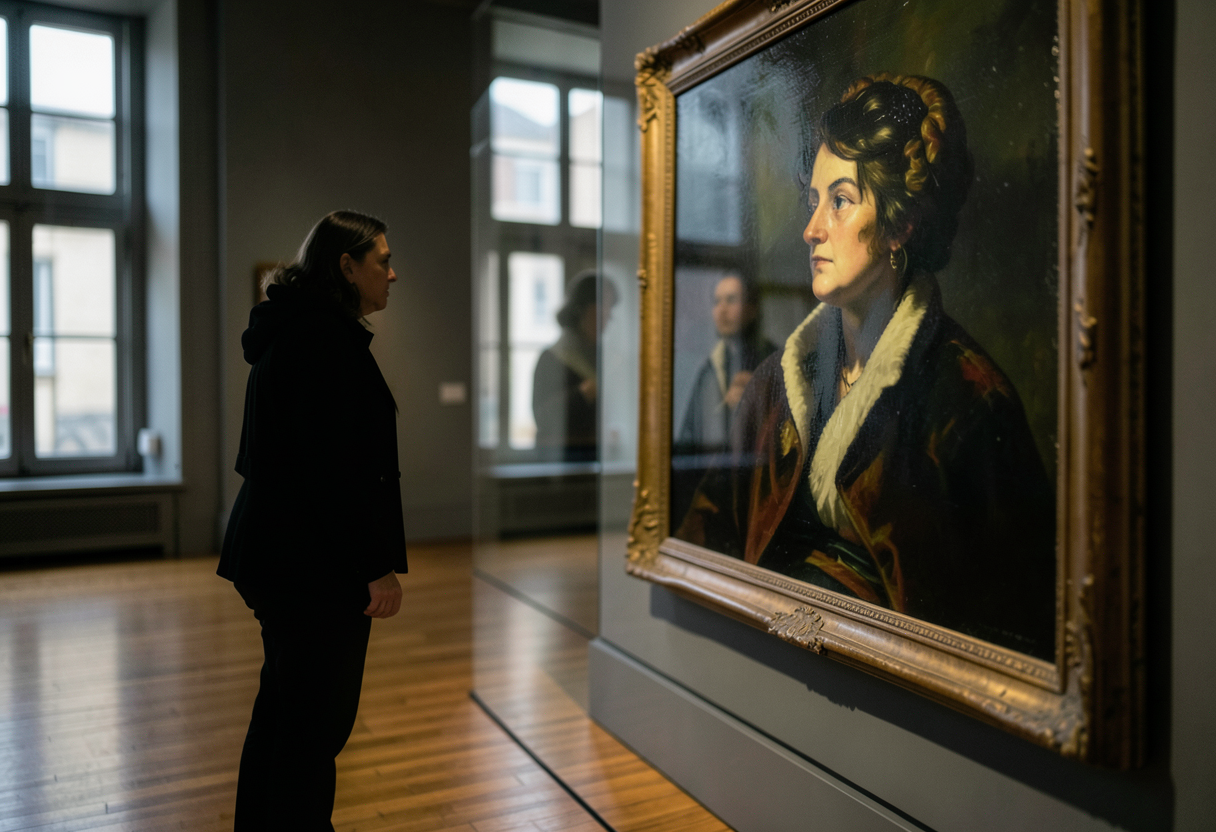
Art appreciation can take place in various settings, each offering unique opportunities for engagement and understanding. Museums and galleries provide a controlled environment for viewing artworks, often with accompanying labels and interpretive materials that offer historical and contextual information. For example, the Louvre Museum in Paris houses thousands of artworks, from ancient sculptures to iconic paintings like the Mona Lisa, allowing viewers to appreciate a wide range of artistic styles and periods.
Public art installations, such as sculptures and murals in urban spaces, offer opportunities for art appreciation in everyday life. These works are often designed to engage with their surrounding environment and the communities that interact with them. For instance, the street art of Banksy, which often addresses social and political issues, can be found in various cities around the world, inviting viewers to consider the messages and emotions conveyed by the artwork in the context of their daily lives.
Online platforms and virtual museums have also become important venues for art appreciation, particularly in the digital age. Websites like Google Arts & Culture and the Metropolitan Museum of Art’s online collection offer high-resolution images and detailed information about artworks, allowing viewers to explore and appreciate art from anywhere in the world. These digital resources often include interactive features, such as virtual tours and educational materials, that enhance the viewing experience and deepen understanding.
Art fairs and biennales are another setting for art appreciation, offering opportunities to see a wide range of contemporary artworks and engage with the latest trends and developments in the art world. These events often feature works by emerging and established artists, as well as performances, installations, and other forms of artistic expression. For example, the Venice Biennale, one of the most prestigious international art exhibitions, showcases contemporary art from around the world, inviting viewers to explore and appreciate the diverse and innovative ways that artists engage with the world.
06What are the steps to appreciating art?
- Observe the artwork carefully, noting its formal elements such as color, line, and texture.
- Research the historical context, including the artist’s biography and the cultural environment in which the work was created.
- Explore your emotional response to the artwork, considering how it makes you feel and why.
- Reflect on the artwork’s meaning and message, considering both the artist’s intentions and your personal interpretation.
- Engage with others by discussing your observations, emotions, and interpretations to gain new perspectives.
To truly appreciate art, immerse yourself in the process of observation, research, and emotional exploration. By following these steps and engaging with the formal elements, historical context, and personal emotions evoked by artworks, you can deepen your understanding and connection to the world of visual culture. For more insights, explore our comprehensive guide on Art Appreciation: A Complete Guide to Understanding Visual Culture. Additionally, consider visiting local museums, galleries, or public art installations to experience art firsthand and engage with the diverse and innovative ways that artists express their ideas and emotions.
07Frequently asked questions
Why is active observation crucial in art appreciation?
Active observation means engaging deeply with a piece. Look at the colors, brushstrokes, and composition. Consider the artist's intent and the historical context. For example, Van Gogh's swirling brushstrokes convey emotion. Passive viewing misses these details, limiting understanding.
How does background knowledge enhance art understanding?
Knowing the artist's life, the period's trends, and the techniques used adds layers to your interpretation. For instance, Picasso's 'Guernica' gains depth when viewed through the lens of Spanish Civil War atrocities. Ignoring context risks oversimplifying complex works.
What role does personal connection play in appreciating art?
Personal connection makes art meaningful. A landscape might remind you of a childhood home. Abstract art can evoke emotions. While experts analyze technique, your emotional response is valid. Both perspectives enrich the experience.
Can appreciating art improve critical thinking skills?
Yes. Art encourages analyzing visual elements, questioning intent, and forming opinions. Comparing Renaissance portraits reveals societal values. Debating modern art interpretations sharpens logic. These skills transfer to everyday decision-making and problem-solving.