

Editorial Team · on 15 June 2026 · 9 min read · Last reviewed 15 June 2026
Art appreciation is the active process of understanding, interpreting, and valuing visual art, encompassing historical context, technical execution, and personal response.
01Key facts
- Art appreciation involves analyzing elements like color, form, and composition to decode meaning.
- Historical awareness, such as knowing that Vincent van Gogh’s Starry Night (1889) reflects Post-Impressionist techniques, deepens understanding.
- Cultural context, like the use of gold leaf in Byzantine icons to symbolize divinity, shapes interpretation.
- Active viewing—spending at least 10-15 minutes with a piece—enhances emotional and intellectual engagement.
02What are the fundamental elements of art appreciation?
Art appreciation begins with mastering the formal elements: line, shape, color, texture, value, space, and form. For instance, examining the jagged lines in Pablo Picasso’s Les Demoiselles d’Avignon (1907) reveals his break from traditional perspective. Similarly, understanding color theory—like the emotional resonance of red in Mark Rothko’s abstract works—enriches analysis. Composition, or how these elements are arranged, also plays a critical role; the rule of thirds in photography or the golden ratio in Renaissance paintings demonstrates intentional structure.
Beyond formal analysis, art appreciation requires knowledge of artistic techniques. Techniques like chiaroscuro (strong contrasts between light and dark) in Caravaggio’s works or pointillism in Georges Seurat’s A Sunday Afternoon on the Island of La Grande Jatte (1884-1886) are deliberate choices that convey meaning. Recognizing these techniques helps viewers grasp an artist’s intent. For further details, explore the comprehensive guide on Art Appreciation: A Complete Guide to Understanding Visual Culture. Additionally, understanding mediums—such as oil paint’s ability to create rich textures versus watercolor’s transparency—provides deeper insights.
03How does historical context influence art appreciation?
Historical context is essential for interpreting art accurately. For example, knowing that Jackson Pollock’s drip paintings emerged during the post-World War II era helps contextualize their chaotic energy as a reflection of societal upheaval. Similarly, the Renaissance’s focus on humanism explains why artists like Leonardo da Vinci emphasized realism and anatomical accuracy. Without this background, modern viewers might miss the revolutionary nature of works like the Mona Lisa (1503-1519).
Art movements also provide crucial context. The Cubist fragmentation in Picasso’s Guernica (1937) mirrors the disorientation of war, while the bright colors of Fauvism, as seen in Henri Matisse’s The Dance (1910), reflect a break from traditional realism. Understanding these movements allows viewers to appreciate the innovative spirit of each period. For a deeper dive into defining art appreciation, visit What Is Art Appreciation? Defining the Core Concepts. Political and social factors further shape art; for instance, the Harlem Renaissance used art to challenge racial stereotypes, as seen in Aaron Douglas’s vibrant murals.
04Why is emotional response a key part of art appreciation?
Emotional engagement is central to art appreciation, as art often seeks to evoke feelings. A piece like Frida Kahlo’s The Two Fridas (1939) conveys deep personal pain, inviting viewers to connect with themes of identity and suffering. Similarly, the serene landscapes of Claude Monet inspire calmness through their depiction of natural beauty. Recognizing and reflecting on these emotional triggers enhances the viewing experience. Active viewing—taking time to observe, reflect, and respond—deepens this connection. For example, spending 10 minutes with a single work, like Caspar David Friedrich’s Wanderer above the Sea of Fog (1818), allows viewers to explore their own reactions to themes of solitude and wonder.
Emotional response is also shaped by personal experience. A viewer who has experienced loss might find deeper meaning in Pablo Picasso’s Weeping Woman (1937), while someone drawn to nature may resonate more with the intricate details in Albrecht Dürer’s botanical studies. Art appreciation, therefore, is deeply subjective, blending intellectual analysis with personal feeling. To explore how art connects emotion to visual expression, see Art and Appreciation: Connecting Emotion to Visual Expression. This interplay between analysis and emotion is what makes art appreciation a dynamic and rewarding pursuit.
05What role does cultural awareness play in art appreciation?
Cultural awareness is vital for understanding art, as artworks often reflect the values, beliefs, and traditions of their creators. For example, African masks, such as those from the Yoruba people, are deeply tied to spiritual rituals and communal identity. Without this knowledge, viewers might misunderstand their symbolic significance. Similarly, Japanese ukiyo-e prints, like those by Hokusai, reflect cultural aesthetics and themes of transience. Recognizing these cultural nuances enriches the appreciation of such works.
Cultural context also helps explain artistic techniques and motifs. The use of perspective in Western art differs significantly from the flat, symbolic representations in many Asian art traditions. For instance, the absence of linear perspective in Chinese landscape paintings emphasizes harmony and balance rather than realism. Additionally, understanding the cultural significance of materials—like the use of gold in religious iconography or the symbolic meaning of colors in different cultures—provides deeper insights. For more on finding meaning in creativity, see What Is Appreciation in Art? Finding Meaning in Creativity. Art appreciation thus requires respect for cultural diversity and an openness to learning about different artistic traditions.
Imagine art appreciation as learning a new language. Just as understanding grammar and vocabulary helps you communicate, knowing the elements, context, and emotions in art helps you “speak” its language. Without this knowledge, you might see colors and shapes, but with it, you can understand the story, the feeling, and the deeper meaning behind the artwork.
06How can viewers practice active art appreciation?
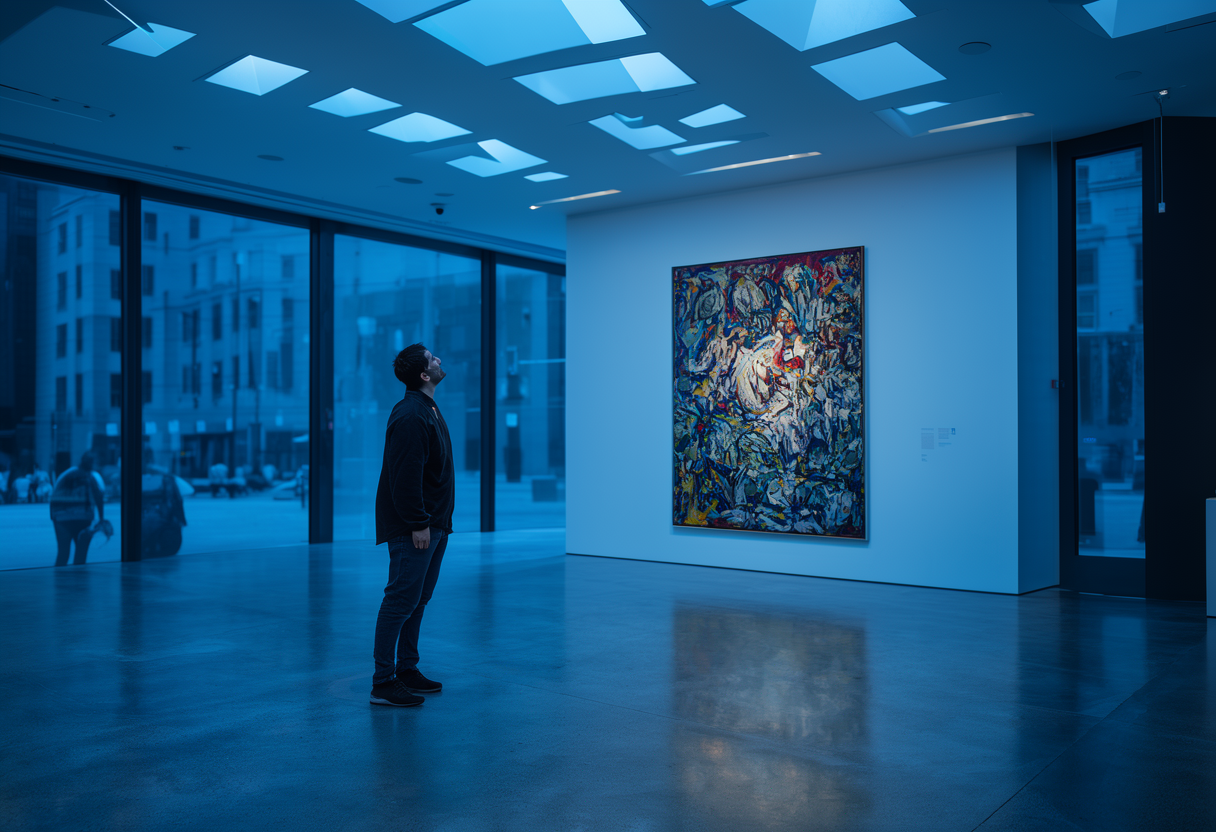
Active art appreciation involves deliberate, engaged viewing. Start by spending at least 10-15 minutes with a single artwork. Look closely at the details, such as brushstrokes or texture. Ask questions: What emotions does the piece evoke? How does the composition guide your eye? For example, observing the intricate details in Johannes Vermeer’s Girl with a Pearl Earring (1665) reveals his mastery of light and texture. Note how the subject’s gaze draws you in, creating a sense of connection.
Next, research the historical and cultural context. Learn about the artist’s life, the time period, and any relevant events. This background information can transform your understanding. For instance, knowing that Edvard Munch’s The Scream (1893) reflects his anxiety and existential dread adds depth to the viewing experience. Additionally, compare the artwork to others from the same period or movement. This practice helps you recognize patterns and innovations. To learn how to truly see and understand works, visit Appreciation of Art: How to Truly See and Understand Works. Finally, reflect on your personal response. How does the artwork make you feel? What memories or thoughts does it bring to mind? This introspective approach makes art appreciation a deeply personal and rewarding experience.
07How does art appreciation benefit personal growth?
Art appreciation fosters critical thinking and creativity. Analyzing artworks encourages viewers to observe details, ask questions, and form interpretations, skills that translate to problem-solving in other areas of life. For example, studying the composition of a photograph helps develop an eye for detail and pattern recognition. Additionally, exposure to diverse artworks broadens perspectives, promoting empathy and cultural understanding. Viewing works from different time periods and cultures challenges preconceived notions and fosters a more inclusive worldview. For instance, engaging with indigenous art can deepen appreciation for non-Western traditions and values.
Art appreciation also enhances emotional intelligence. Art often explores complex emotions, such as love, loss, and joy, providing a safe space to reflect on these feelings. Engaging with artworks like Pierre-Auguste Renoir’s romantic scenes or Francis Bacon’s stark, emotional portraits can help viewers process their own emotions. Moreover, art appreciation can be a source of joy and inspiration. The vibrant colors of a Matisse painting or the dynamic energy of a Jackson Pollock piece can uplift spirits and spark creativity. For more on viewing creativity through a new lens, see Art as Appreciation: Viewing Creativity Through a New Lens. By incorporating art appreciation into daily life, individuals can cultivate a richer, more meaningful existence.
08What are some practical tips for starting art appreciation?
Begin by visiting museums or galleries, even virtually. Many institutions offer online tours and digital collections, making art accessible from anywhere. For example, the Google Arts & Culture project provides high-resolution images and detailed descriptions of works from museums worldwide. Start with artworks that catch your eye, regardless of fame or period. Personal interest is the best motivator for learning. Spend time with each piece, noting details and reflecting on your reactions. For more on welcoming art appreciation, see Welcome to Art Appreciation. Consider joining art appreciation groups or taking online courses to deepen your knowledge. Websites like Coursera and Khan Academy offer free or low-cost courses on art history and analysis.
Read books and articles about art to build your knowledge base. Biographies of artists, such as those by Ernst Gombrich or Simon Schama, provide context and insights into their creative processes. Additionally, keep a journal of your art experiences. Note which works resonate with you and why, as well as any new discoveries or questions that arise. This practice helps track your growth as an art appreciator. Finally, practice active viewing regularly. Make it a habit to spend a few minutes each day observing and reflecting on art, whether in a museum, a book, or online. Over time, this practice will sharpen your analytical skills and deepen your connection to the art world.
- Visit museums or explore online collections to discover new artworks.
- Start with pieces that personally resonate, regardless of fame or period.
- Spend time analyzing details and reflecting on your emotional response.
- Join art appreciation groups or take courses to deepen your knowledge.
- Read books and articles about art to build context and understanding.
- Keep a journal to track your art experiences and growth.
- Practice active viewing regularly to sharpen your analytical skills.
Start your art appreciation journey by visiting a local museum or exploring online collections. Choose a single artwork that catches your eye and spend 15 minutes analyzing it. Note the formal elements, historical context, and your emotional response. Repeat this practice regularly to build your skills and deepen your connection to the art world.
09Frequently asked questions
What is art appreciation and why is it important?
Art appreciation is the study and understanding of visual art. It fosters critical thinking, cultural awareness, and emotional intelligence. For example, analyzing a painting by Van Gogh helps viewers understand his use of color and texture, enhancing their ability to interpret and enjoy art. This skill is valuable in diverse fields, from education to marketing.
How can I start appreciating art if I know little about it?
Begin by visiting local museums or galleries. Focus on what you like and dislike. Read labels and guidebooks. Take an online course or join a local art group. For instance, many museums offer free guided tours. Start small and build your knowledge gradually. Over time, you'll develop a deeper understanding and personal connection to art.
What are the key elements to consider when appreciating art?
Consider the elements of art: line, shape, form, color, value, space, and texture. Analyze the principles of design: balance, contrast, emphasis, movement, pattern, rhythm, and unity. For example, in a sculpture by Henry Moore, observe how he uses form and space to create a sense of movement and balance. These elements guide your interpretation.
Can art appreciation improve my career prospects?
Yes. Art appreciation enhances creativity, problem-solving, and communication skills. These are valuable in many careers, from design and advertising to business and education. For example, understanding visual storytelling can improve marketing strategies. Employers value employees who can think critically and creatively, making art appreciation a useful skill in the workplace.