
Editorial Team · on 15 June 2026 · 7 min read · Last reviewed 15 June 2026
Art appreciation is the study and understanding of visual art, its history, techniques, and cultural significance, aimed at enhancing one’s ability to analyze and enjoy artwork.
01Key facts
- Art appreciation helps develop critical thinking and visual literacy skills.
- The field spans over 50,000 years of human history, from prehistoric cave paintings to contemporary digital art.
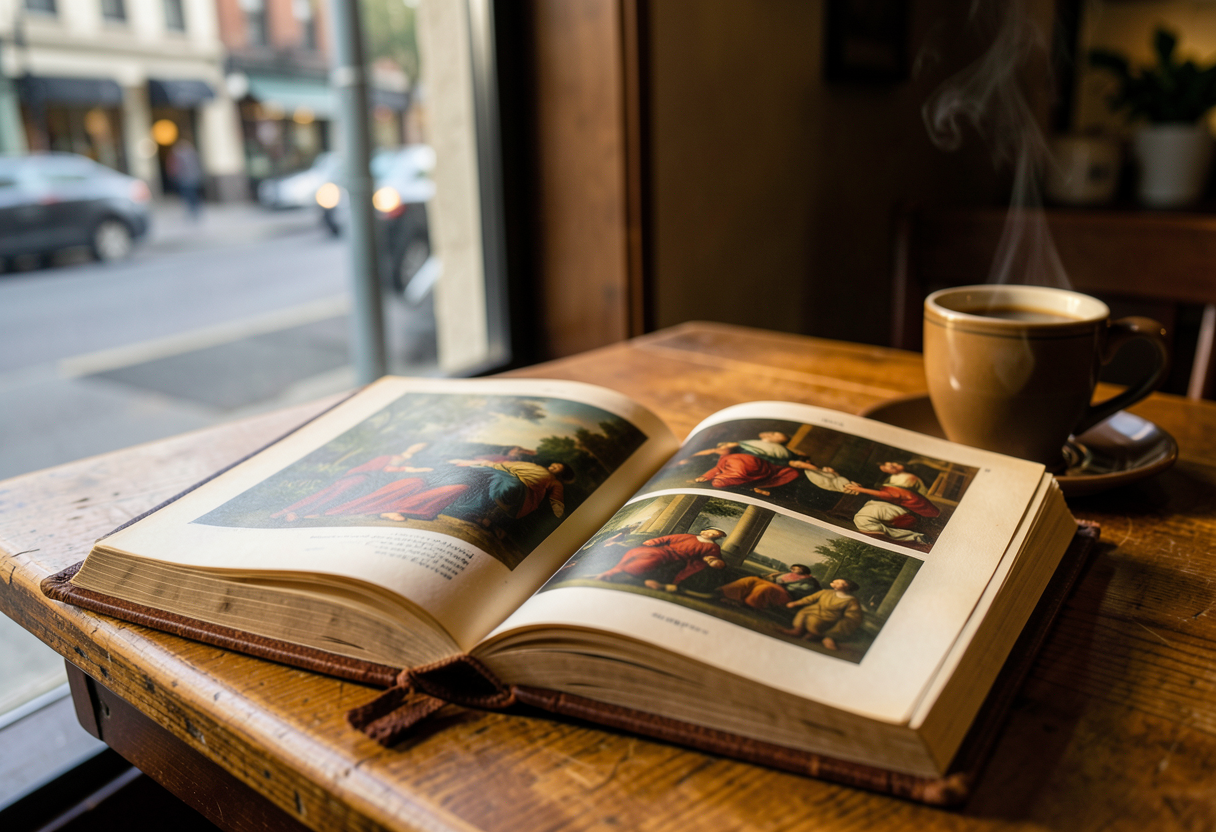
- Books on art appreciation range from introductory guides to specialized monographs on specific artists or movements.
- Art appreciation can be learned independently through books, or in formal settings like classes or workshops.
02Why should I study art appreciation?
Studying art appreciation broadens your cultural awareness and deepens your understanding of human creativity. It allows you to recognize different artistic styles, movements, and techniques, and to appreciate the context in which artworks were created. This knowledge can enhance your visits to museums and galleries, making them more engaging and meaningful.
Moreover, art appreciation fosters critical thinking and analytical skills. It encourages you to look closely at artworks, to interpret their meanings, and to evaluate their quality. These skills are transferable to other areas of life, from problem-solving to decision-making.
Art appreciation also promotes personal growth. Engaging with art can evoke emotions, challenge your perspectives, and inspire new ideas. It can provide a sense of connection to the past and to different cultures, fostering empathy and understanding.
03What are the best books for learning art appreciation?
The best books for learning art appreciation depend on your level of knowledge and your specific interests. For beginners, comprehensive introductions like “The Story of Art” by E.H. Gombrich provide a broad overview of art history and its key movements. This book has been a classic since its first publication in 1950.
For those interested in contemporary art, “Art Since 1900” by Hal Foster, Rosalind Krauss, Yve-Alain Bois, and Benjamin H.D. Buchloh offers a detailed exploration of modern and contemporary art practices. It covers a wide range of artists and movements, from Cubism to Postmodernism.
If you prefer a more thematic approach, “Ways of Seeing” by John Berger is a compelling choice. This book examines the ways in which art is perceived and interpreted, challenging traditional notions of art appreciation.
For a more interactive learning experience, consider “The Art of Looking: How to Read Modern and Contemporary Art” by Lance Esplund. This book guides readers through the process of looking at and interpreting art, with practical exercises and real-world examples.
04How can I apply what I learn from art appreciation books?
One of the most rewarding ways to apply your knowledge of art appreciation is by visiting museums and galleries. Armed with an understanding of different artistic styles and techniques, you’ll be able to engage more deeply with the artworks on display. You can identify the characteristics of different movements, such as the use of light and shadow in Baroque art or the bold colors and abstract forms of Fauvism.
You can also apply your knowledge to your own creative pursuits. Whether you’re a painter, a photographer, or a writer, understanding the principles of art appreciation can enrich your work. It can inspire new ideas, help you develop your own style, and provide a framework for critiquing and improving your creations.
Additionally, you can share your knowledge with others. This could involve leading discussions about art, writing reviews or essays, or even teaching art appreciation classes. Sharing your passion for art can be a rewarding way to deepen your own understanding and to inspire others.
Think of art appreciation as learning a new language. Just as learning a language involves understanding its grammar, vocabulary, and cultural context, learning to appreciate art involves understanding its techniques, history, and cultural significance. The more you practice and engage with this language, the more fluent you become, and the more deeply you can connect with the art around you.
05How do online art appreciation classes complement books?
Online art appreciation classes can complement books by providing a structured learning environment and interactive experiences. These classes often include video lectures, discussions, and assignments that can deepen your understanding of the material. They also offer the opportunity to learn from experts and to engage with a community of learners.
For example, the Online Art Appreciation Class: Flexible Learning for Modern Students offered by the Art & Culture Explorer provides a flexible learning schedule, allowing students to progress at their own pace. The class covers a wide range of topics, from the fundamentals of art history to the interpretation of contemporary art. It also includes practical exercises and real-world examples to help students apply what they’ve learned.
Online classes can also provide access to a variety of resources, such as virtual museum tours, high-resolution images of artworks, and additional reading materials. These resources can enhance your learning experience and provide a more comprehensive understanding of art appreciation.
06What are the key differences between online art appreciation classes and traditional courses?
Online art appreciation classes offer several advantages over traditional courses. One of the most significant benefits is flexibility. Online classes allow you to learn at your own pace and on your own schedule, making them ideal for those with busy lifestyles or other commitments.
Traditional courses, on the other hand, offer the benefit of face-to-face interaction with instructors and peers. This can provide a more personalized learning experience and the opportunity for immediate feedback and discussion. However, traditional courses often require a fixed schedule and location, which can be less convenient for some learners.
The Art Appreciation Course Online: Self-Paced vs. Cohort Learning format also tends to be more affordable than traditional courses, as it eliminates the need for physical classrooms and other overhead costs. This can make art appreciation more accessible to a broader range of learners.
07How can I choose the right art appreciation book or class for me?
Choosing the right art appreciation book or class depends on your current level of knowledge, your learning style, and your specific interests. Here are some steps to help you make an informed decision:
- Assess your current level of knowledge. Are you a beginner looking for a comprehensive introduction, or are you already familiar with art history and seeking a deeper understanding of a specific topic?
- Consider your learning style. Do you prefer reading and self-paced learning, or do you benefit more from structured courses and interactive discussions?
- Identify your specific interests. Are you interested in a particular artistic movement, artist, or technique? Look for books or classes that focus on these areas.
- Research different options. Read reviews, browse course syllabi, and explore sample materials to get a sense of what each book or class offers.
- Consider your budget and schedule. Determine how much you’re willing to spend and how much time you can commit to learning. Look for options that fit within your budget and schedule.
Start with the Art Appreciation Textbook: Essential Reading for Beginners or the Art Appreciation Book: One-Volume Introductions Explained if you’re just beginning. These resources provide a solid foundation in art appreciation and can help you build the knowledge and skills you need to explore more specialized topics.
For those looking to deepen their understanding of art appreciation, consider exploring the Books on Art Appreciation: Curated Recommendations curated recommendations. These books offer a wealth of information and insights on a wide range of artistic movements, artists, and techniques.
Take your art appreciation skills to the next level with the Art Appreciation Classes Online: Top Platforms and Formats. These classes offer a structured learning environment and interactive experiences that can deepen your understanding of art appreciation and help you apply what you’ve learned in real-world contexts.
08Frequently asked questions
What are some essential art appreciation books for beginners?
Start with "The Story of Art" by E.H. Gombrich, a classic that offers a comprehensive history of art from prehistoric times to the modern era. "Art: A Visual History" by Robert Cumming provides a visually rich overview. For a more contemporary take, "Ways of Seeing" by John Berger challenges traditional art interpretation.
Which books are best for understanding modern and contemporary art?
For modern art, "Modern Art: A Very Short Introduction" by Julian Stallabrass is concise and insightful. "The Art of the 20th Century" by Klaus Honef covers major movements. For contemporary art, "How to See Like an Artist" by Frank H. Goodyear III offers practical advice on appreciating modern works.
Are there any books that focus on specific art techniques?
Yes. "The Complete Guide to Oil Painting" by Bill Creevy is excellent for understanding oil techniques. "Drawing on the Right Side of the Brain" by Betty Edwards teaches foundational drawing skills. For digital art, "Digital Art for Beginners" by Mike Roto provides a solid introduction to digital tools and methods.
What books help in appreciating art history and its cultural context?
"The Civilization of the Renaissance in Italy" by Jacob Burckhardt explores art in its historical context. "Art and Illusion" by Ernst Gombrich examines how art has evolved in response to cultural changes. "The Lives of the Artists" by Giorgio Vasari offers biographies of key Renaissance artists, providing cultural insights.