
Editorial Team · on 15 June 2026 · 9 min read · Last reviewed 15 June 2026
Art appreciation is the process of understanding, analyzing, and valuing works of art for their aesthetic, cultural, and historical significance.
01Key facts
- Art appreciation involves analyzing elements like color, form, and composition.
- Contextual knowledge of the artist, era, and cultural background enhances understanding.
- Different art movements, such as Renaissance, Impressionism, and Cubism, have distinct characteristics.
- Practicing art appreciation can improve critical thinking, creativity, and visual literacy skills.
02What makes art appreciation challenging?
Art appreciation can be difficult because it often requires a blend of visual analysis, historical knowledge, and cultural context. Unlike other subjects, art does not always follow strict rules or guidelines, making it subjective and open to interpretation. For instance, understanding the significance of a color choice in a painting might be unfamiliar to those without prior exposure to art theory.
Additionally, art spans various periods and cultures, each with its own set of conventions and symbols. A person might struggle to appreciate a piece from the Baroque period without knowing its historical and cultural background. This need for contextual knowledge adds layers of complexity to art appreciation. For example, a painting like Caravaggio’s “The Calling of Saint Matthew” requires knowledge of religious symbolism and the Baroque era’s emphasis on dramatic use of light and shadow.

03How can beginners start learning art appreciation?
Beginners can start by familiarizing themselves with the basic elements of art, such as line, shape, color, and texture. These elements serve as the foundation for analyzing any artwork. For example, identifying the use of perspective in a Renaissance painting can help in understanding the artist’s techniques and intentions. The movement, characterized by its emphasis on humanism and realism, offers a rich starting point for beginners.
Another effective approach is to explore different art movements and their defining characteristics. Reading about movements like Impressionism, Cubism, or Surrealism can provide a framework for understanding why certain artworks look the way they do. Websites and books dedicated to art history can be valuable resources for this purpose. For instance, learning about the Impressionists’ focus on capturing light and movement can enhance the appreciation of works by Monet or Degas.
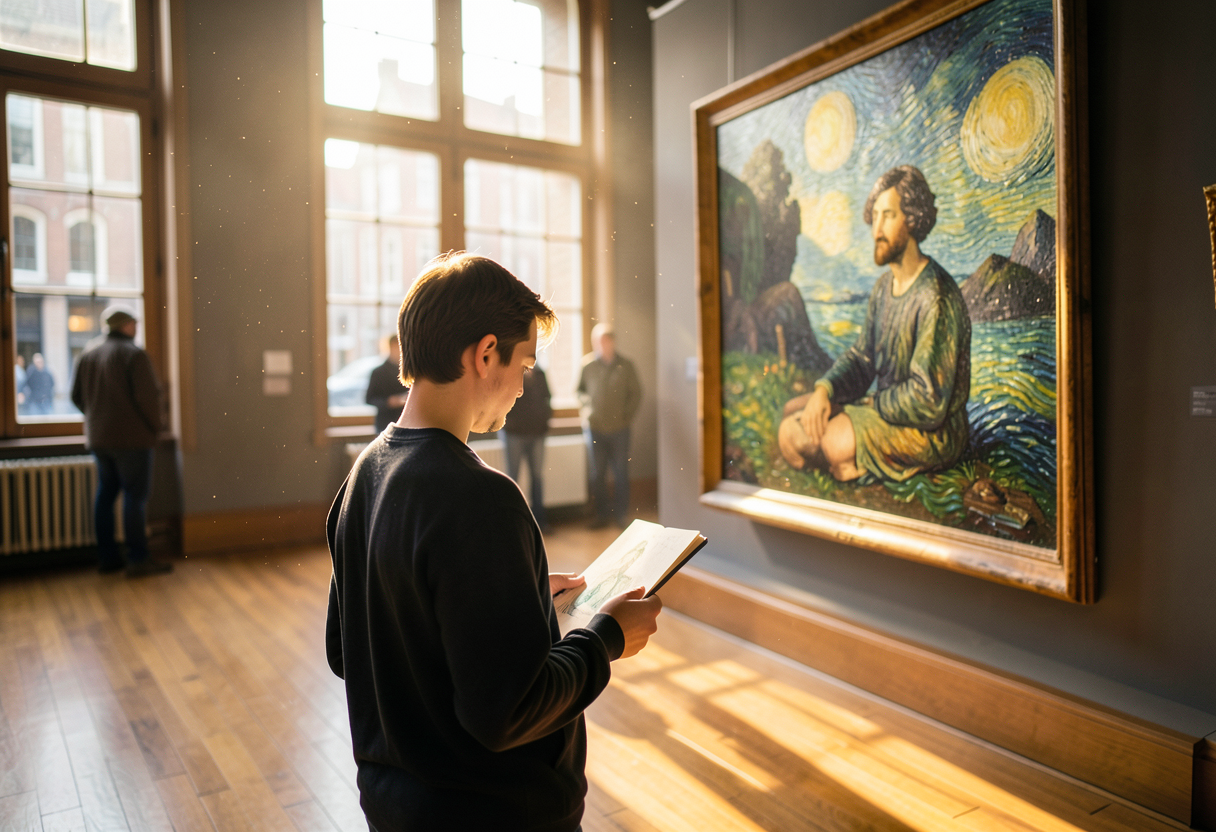
Visiting museums and galleries is also an excellent way to practice art appreciation. Seeing artworks in person allows for a deeper connection and a better understanding of their scale, texture, and other details that might not be apparent in reproductions. Many museums offer guided tours or educational programs that can enhance the learning experience. For example, the in Paris houses thousands of artworks spanning different periods and styles, providing a comprehensive learning environment.
04What are some common misconceptions about art appreciation?
One common misconception is that art appreciation is only for experts or those with formal training. In reality, anyone can develop an appreciation for art with practice and exposure. The key is to approach art with an open mind and a willingness to learn. For example, many people enjoy music without formal training; similarly, one can enjoy and appreciate art without being an artist or art historian.
Another misconception is that art appreciation is purely subjective and that there are no objective criteria for evaluating art. While personal taste plays a role, art appreciation also involves understanding the technical skills, historical context, and cultural significance of a work. For example, knowing that a particular painting was revolutionary for its time can add layers of meaning to the viewer’s experience. The movement, with its emphasis on breaking traditional norms, exemplifies how understanding context can enhance appreciation.
05How can art appreciation be made more accessible?
Making art appreciation more accessible involves breaking down complex concepts into simpler, more digestible pieces. Educational platforms and online courses can provide structured learning paths for beginners. For instance, platforms like Coursera or Khan Academy offer courses on art history and appreciation that cater to various skill levels. These courses often include video lectures, quizzes, and interactive discussions, making learning engaging and effective.
Interactive tools and apps can also enhance the learning experience. Virtual tours of museums, augmented reality apps that provide context about artworks, and online databases of art collections can make art more accessible to a wider audience. These tools can help learners engage with art in a more dynamic and interactive way. For example, the offers virtual tours of renowned museums around the world, allowing users to explore artworks from the comfort of their homes.
06What are some practical tips for improving art appreciation skills?
Think of art appreciation like learning a new language. Just as you start by learning basic words and grammar, you begin with the fundamental elements of art and gradually build your knowledge and skills. Over time, you’ll become more fluent in understanding and interpreting the visual language of art.
- Practice regular observation: Spend time looking at artworks, even if it’s just a few minutes each day. Note the details, colors, and techniques used. For example, observe how an artist uses brushstrokes to create texture or emotion.
- Read and research: Use books, articles, and online resources to learn about different art movements, artists, and historical contexts. For instance, reading about the movement can provide insight into the techniques and philosophies of artists like Monet and Renoir.
- Engage with the art community: Join art clubs, attend workshops, or participate in online forums to discuss and share your thoughts on art. Engaging with others can provide new perspectives and deepen your understanding.
- Visit museums and galleries: Experience art in person whenever possible. Pay attention to the details and ask questions about the works you see. Many museums offer educational programs and guided tours that can enhance your learning experience.
07How does art appreciation compare to other forms of art study?
Art appreciation focuses on the overall experience and understanding of art, while other forms of art study, such as art history or art criticism, delve deeper into specific aspects of art. For example, art history might focus on the chronology and development of art movements, while art criticism might analyze the meaning and impact of individual artworks. Art appreciation, on the other hand, encourages a personal connection with art and an appreciation for its beauty and significance.
Art appreciation is more inclusive and accessible, as it does not require a deep technical knowledge of art techniques or theories. It encourages a personal connection with art and an appreciation for its beauty and significance. In contrast, other forms of art study might require a more formal education and specialized knowledge. For instance, art criticism often involves analyzing the social, political, and cultural contexts of artworks, requiring a deeper understanding of theory and history.
08What are some common techniques used in art appreciation?
One common technique is Formal Analysis, which involves examining the visual elements of an artwork, such as color, line, shape, and texture. This technique helps in understanding the artist’s use of these elements to create a specific effect or emotion. For example, analyzing the use of light and shadow in a painting can reveal the artist’s skill in creating depth and dimension. The technique is often used in educational settings to teach students how to look at and interpret artworks.
Another technique is Contextual Analysis, which involves understanding the historical, cultural, and social context in which an artwork was created. This technique helps in appreciating the significance and meaning of the artwork within its specific context. For instance, knowing that a particular painting was created during a time of political upheaval can add layers of meaning to the viewer’s experience. Contextual Analysis is particularly useful for understanding artworks that are deeply rooted in their cultural and historical settings.
09How can technology enhance art appreciation?
Technology has revolutionized the way we appreciate and interact with art. Digital platforms and apps offer new ways to explore and understand artworks, making art appreciation more engaging and accessible. For example, virtual reality (VR) technology allows users to immerse themselves in a digital recreation of a museum or gallery, providing a unique and interactive learning experience. The field is rapidly growing, offering new opportunities for art education and appreciation.
Online databases and digital archives also play a crucial role in enhancing art appreciation. These resources provide access to a vast collection of artworks, along with detailed information about their history, context, and significance. For instance, the offers high-resolution images of artworks from renowned museums around the world, along with interactive tools and educational resources. These platforms make it easier for learners to explore and study art from different periods and cultures.
Additionally, social media platforms and online forums provide opportunities for art enthusiasts to connect, share, and discuss their thoughts on art. Engaging with a global community of art lovers can enhance the learning experience and provide new perspectives on art appreciation. For example, platforms like Instagram and Pinterest allow users to discover and share artworks, while online forums and discussion groups offer spaces for in-depth conversations and analyses.
10What are some notable examples of artworks for beginners?
For beginners, starting with well-known and widely appreciated artworks can be an excellent way to develop an understanding and appreciation for art. These artworks often represent significant movements or styles and are easily accessible in museums, books, and online resources. For example, the Mona Lisa by Leonardo da Vinci is a famous painting that exemplifies the Renaissance period’s emphasis on realism and humanism. Studying this artwork can provide insight into the techniques and philosophies of the Renaissance era.
Another notable example is Starry Night by Vincent van Gogh, which is a classic representation of the Post-Impressionism movement. This painting is known for its expressive use of color and texture, as well as its depiction of the artist’s emotional state. Analyzing Starry Night can help beginners understand the techniques and themes of Post-Impressionism and the unique style of Van Gogh. The movement is characterized by its emphasis on personal expression and individual style, making it a fascinating subject for art appreciation.
Start by focusing on the basics: familiarize yourself with the elements of art and practice observing and analyzing artworks regularly. As your knowledge and skills grow, you can explore more advanced techniques and delve deeper into the historical and cultural contexts of art. Remember, art appreciation is a journey, and every step you take brings you closer to a deeper understanding and enjoyment of art.
11Frequently asked questions
Is art appreciation inherently difficult?
Art appreciation difficulty varies. Basic concepts like color theory or composition are straightforward. Challenges arise with abstract or complex works. Familiarity with art history and cultural context helps. Practice and exposure to diverse styles build understanding. Like learning a language, it requires patience and engagement.
What are the different difficulty levels in art appreciation?
Beginner levels focus on identifying elements like line, shape, and color. Intermediate stages involve understanding genres and artists' techniques. Advanced appreciation includes analyzing cultural influences and interpreting symbolism. Mastery involves contextualizing art within historical and social movements.
How can one improve their art appreciation skills?
Visit museums and galleries regularly. Read about artists and art movements. Take online courses or join local art classes. Discuss art with others to gain different perspectives. Practice sketching or painting to understand techniques firsthand. Consistent exposure and active engagement are key.
Why is studying art history important for appreciation?
Art history provides context. Knowing the Renaissance, for example, helps understand why perspective and realism were revolutionary. It reveals how societal changes influenced art. Recognizing these connections deepens appreciation. Without historical knowledge, much of the art's significance and innovation can be lost.