
Editorial Team · on 15 June 2026 · 7 min read · Last reviewed 15 June 2026
Art appreciation is the study and understanding of visual art, encompassing its history, techniques, and cultural significance.
01Key facts
- Art appreciation as a formal discipline emerged in the 19th century alongside the growth of public museums and art history as an academic field.
- The understanding of art has shifted from a focus on religious and aesthetic values to broader considerations of cultural context, social commentary, and personal interpretation.
- Technological advancements have democratized art appreciation, making high-quality reproductions and virtual museum tours accessible to a global audience.
- Modern art appreciation often involves interdisciplinary approaches, combining insights from art history, sociology, psychology, and other fields.
02What were the early influences on art appreciation?
The earliest influences on art appreciation can be traced back to ancient civilizations, where art served religious, ceremonial, and decorative purposes. In ancient Greece and Rome, for example, art was valued for its aesthetic qualities and its ability to convey ideals of beauty and harmony. Philosophers like Plato and Aristotle discussed the nature of art, laying the groundwork for later theoretical developments.
During the Middle Ages, art was primarily a tool for religious instruction, with churches and cathedrals serving as the primary venues for artistic expression. The Renaissance marked a significant shift, as artists like Leonardo da Vinci and Michelangelo began to explore humanism and naturalism, emphasizing the individual’s relationship with art. This period saw the rise of art criticism and connoisseurship, with writers like Giorgio Vasari documenting the lives and works of artists.
The 17th and 18th centuries brought further developments in art appreciation, particularly with the growth of art academies and salons. These institutions provided a platform for artists to showcase their work and for critics to evaluate and discuss it. The Enlightenment era emphasized reason and scientific inquiry, leading to a more analytical approach to art.

03How did the 19th century shape modern art appreciation?
The 19th century was a pivotal period for art appreciation, marked by the establishment of public museums and the formalization of art history as an academic discipline. The Louvre in Paris, which opened in 1793, and the British Museum in London, founded in 1753, played crucial roles in making art accessible to the public. These institutions not only preserved and displayed artworks but also fostered a culture of art appreciation and education.
Art historians like Johann Joachim Winckelmann and Heinrich Wölfflin developed methodologies for studying and interpreting art, emphasizing the importance of historical context and stylistic analysis. Winckelmann’s seminal work, “History of the Art of Antiquity” (1764), laid the foundation for modern art history, while Wölfflin’s “Principles of Art History” (1915) introduced formal analysis as a key tool for understanding art.
The 19th century also saw the rise of art criticism as a distinct field. Critics like John Ruskin and Walter Pater wrote extensively about the aesthetic and emotional qualities of art, influencing public taste and shaping the way art was perceived and valued. The Impressionist movement, led by artists like Claude Monet and Edgar Degas, challenged traditional notions of art and introduced new ways of seeing and appreciating visual culture.
04What role did the 20th century play in art appreciation?
The 20th century brought profound changes to art appreciation, driven by rapid social, political, and technological transformations. The emergence of modern art movements like Cubism, Surrealism, and Abstract Expressionism expanded the boundaries of artistic expression and challenged conventional ideas about beauty and meaning. Artists like Pablo Picasso, Salvador Dalí, and Jackson Pollock pushed the limits of creativity, encouraging viewers to engage with art in new and innovative ways.
Art appreciation in the 20th century also became more democratic, as museums and galleries sought to reach broader audiences. The establishment of institutions like the Museum of Modern Art (MoMA) in New York, founded in 1929, and the Tate Modern in London, opened in 2000, reflected a growing recognition of the importance of contemporary art. These museums not only displayed artworks but also organized educational programs, lectures, and workshops to foster a deeper understanding of art.
Technological advancements played a significant role in shaping art appreciation in the 20th century. The invention of photography and film allowed for new forms of artistic expression and provided tools for documenting and analyzing art. The internet revolutionized the way art is accessed and shared, making high-quality reproductions and virtual museum tours available to a global audience.
05How has digital technology influenced art appreciation?
Digital technology has transformed art appreciation in numerous ways, making art more accessible and interactive than ever before. Online platforms like Google Arts & Culture and the Metropolitan Museum of Art’s Heilbrunn Timeline of Art History provide comprehensive resources for learning about art and its history. These platforms offer high-resolution images, virtual tours, and detailed information about artworks, allowing users to explore art from anywhere in the world.
Social media has also played a significant role in democratizing art appreciation. Platforms like Instagram, Pinterest, and TikTok enable artists and art enthusiasts to share their work and insights with a global audience. Hashtags and online communities foster a sense of connection and collaboration, making art appreciation a more inclusive and participatory experience.
Virtual reality (VR) and augmented reality (AR) technologies have further enhanced the art appreciation experience. VR allows users to immerse themselves in virtual galleries and museums, providing a sense of presence and engagement that traditional online platforms cannot match. AR applications, such as those developed by the British Museum and the Louvre, overlay digital information onto physical artworks, offering interactive and educational experiences for visitors.
Think of art appreciation as learning to read a new language. Just as understanding the grammar, vocabulary, and cultural context of a language helps you appreciate its literature, knowing the history, techniques, and cultural significance of art enhances your ability to enjoy and interpret visual artworks.
06What are the key steps in developing art appreciation skills?
- Familiarize yourself with art history: Learn about the major art movements, periods, and styles to gain a broad understanding of the evolution of art.
- Visit museums and galleries: Immerse yourself in the physical presence of artworks to experience their scale, texture, and emotional impact.
- Study art techniques: Understand the methods and materials used by artists to create their works, as this knowledge can deepen your appreciation of their craftsmanship.
- Engage with art criticism: Read critiques and analyses of artworks to develop your own critical thinking and interpretive skills.
- Explore diverse cultures: Examine art from different cultures and time periods to broaden your perspective and recognize the universal themes that connect humanity.
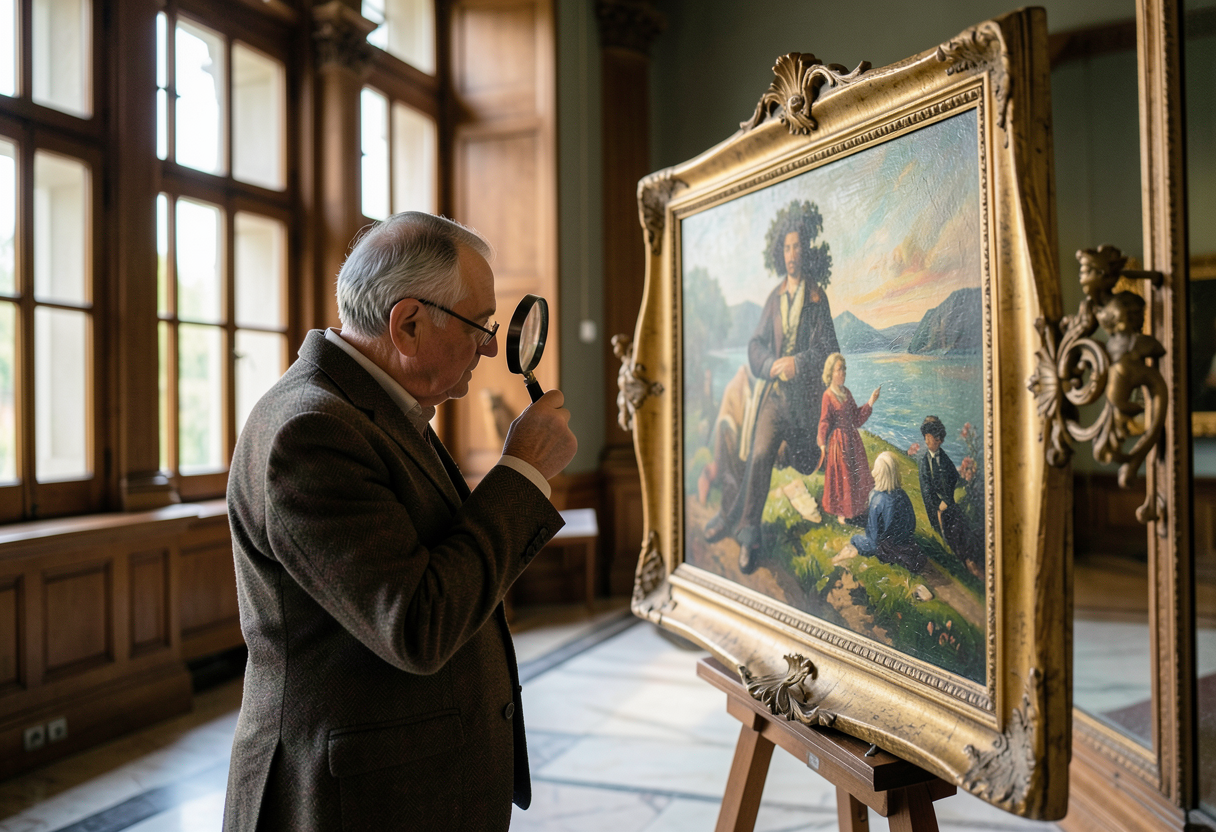
- Practice active viewing: Take your time when looking at artworks, observing details, and considering the artist’s intent, the historical context, and your own emotional response.
To deepen your understanding of art appreciation, consider enrolling in courses or workshops that focus on art history, techniques, and criticism. Explore a variety of art forms and styles, and engage with the art community both online and in person. By actively participating in the art world, you can develop a richer and more nuanced appreciation for the visual arts. For more insights, check out Fine Art Appreciation: Analyzing Masterpieces and Techniques and Art History and Appreciation: Bridging Context and Critique.
07Frequently asked questions
How did early civilizations view art appreciation?
Early civilizations often saw art as a means of communication with the divine or as a symbol of power. For example, ancient Egyptians created art to honor gods and pharaohs, while cave paintings in Lascaux, France, suggest early humans used art to document their lives and beliefs.
When did art appreciation shift towards individual expression?
The Renaissance marked a significant shift. Artists like Leonardo da Vinci and Michelangelo began signing their works, emphasizing individual creativity. This period also saw the rise of patronage, where wealthy individuals supported artists, further promoting personal artistic expression.
How did the Industrial Revolution impact art appreciation?
The Industrial Revolution democratized art by making reproductions more accessible. Lithography, for instance, allowed for mass production of images. This shift made art more available to the general public, broadening its appreciation beyond the elite.
What role did modern art movements play in evolving art appreciation?
Movements like Impressionism, Cubism, and Surrealism challenged traditional norms. Impressionists focused on light and color, Cubists broke from perspective, and Surrealists explored the subconscious. These innovations expanded what was considered art, influencing contemporary appreciation and criticism.