
Editorial Team · on 15 June 2026 · 10 min read · Last reviewed 15 June 2026
Art appreciation is the study and understanding of visual art, its history, techniques, and cultural significance.
01Key facts
- Art appreciation courses typically cover art history, theory, and practical analysis.
- These programs are offered at various levels, from beginner to advanced, and can be found in universities, community colleges, and online platforms.
- Students learn to analyze and interpret art, understand different artistic movements, and develop personal aesthetic judgments.
- Art appreciation can enhance critical thinking, cultural awareness, and creativity.
02What topics are covered in an art appreciation course?
Art appreciation courses generally explore a wide range of topics designed to provide a comprehensive understanding of art. Core subjects include art history, which delves into various periods and movements such as Renaissance, Baroque, Impressionism, and Modern Art. Students examine key artists like Leonardo da Vinci, Vincent van Gogh, and Frida Kahlo, analyzing their techniques and contributions. The curriculum also covers art theory, introducing concepts like formalism, contextualism, and feminism in art. Practical analysis is another critical component, where students learn to evaluate artworks based on elements like color, composition, and subject matter.
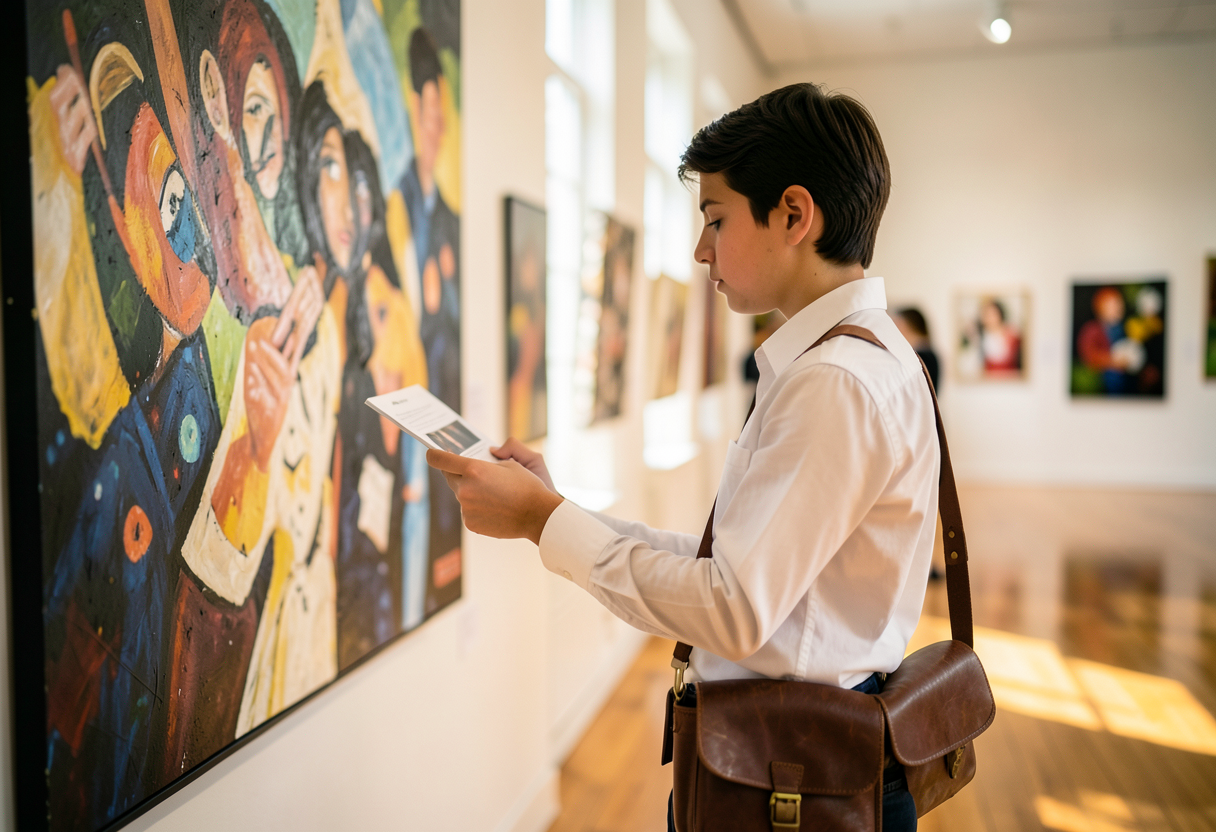
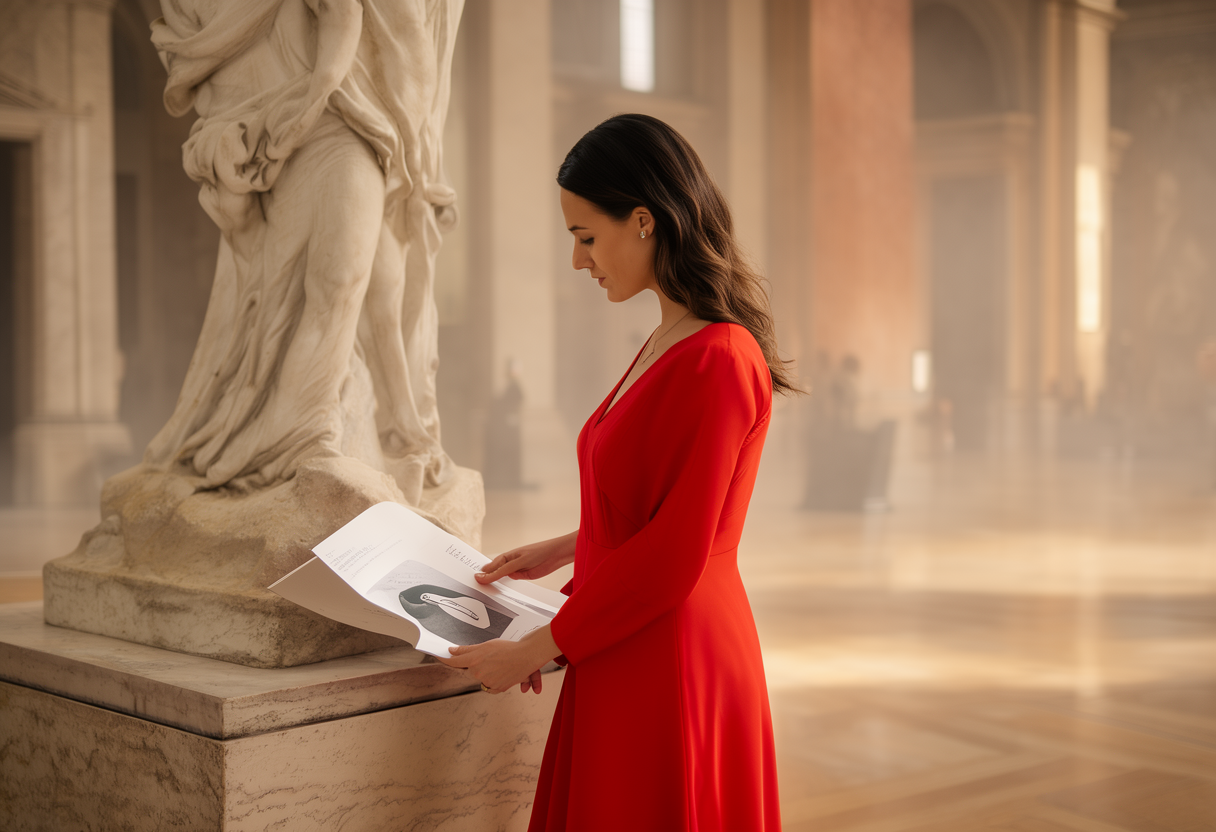
Additionally, courses may include discussions on non-Western art traditions, such as African, Asian, and Indigenous art, to broaden cultural perspectives. Some programs incorporate hands-on activities, like sketching or visiting museums, to deepen the learning experience. For instance, a course might require students to visit a local art gallery and write a critical analysis of a specific piece. Online courses often provide virtual museum tours and access to digital art collections, making the material more accessible. By covering these diverse topics, art appreciation courses aim to cultivate a well-rounded understanding of art and its role in society.
03How do I choose the right art appreciation program?
Selecting the right art appreciation program depends on your goals, schedule, and preferred learning style. First, consider the level of the course. Beginner courses are ideal if you have little prior knowledge of art, while advanced programs are better suited for those with a foundational understanding. Check the course syllabus to ensure it aligns with your interests, whether you’re drawn to specific art periods, techniques, or cultural contexts. Accreditation is another crucial factor; programs offered by reputable institutions, such as universities or recognized online platforms, tend to provide higher-quality education. Look for reviews or testimonials from former students to gauge the program’s effectiveness and instructor quality.
Next, evaluate the format. Traditional in-person courses offer direct interaction with instructors and peers, which can be beneficial for collaborative learning. Online courses, on the other hand, provide flexibility, allowing you to study at your own pace. Some programs offer hybrid options, combining both online and in-person elements. Consider your budget as well; tuition fees vary widely, and some institutions offer scholarships or financial aid. Additionally, think about the resources provided, such as access to digital libraries, museum partnerships, or opportunities for hands-on practice. By weighing these factors, you can choose a program that best fits your needs and enhances your art appreciation journey.
04What skills will I gain from an art appreciation course?
Art appreciation courses equip students with a variety of valuable skills that extend beyond the realm of art. One of the primary skills is critical analysis, which involves examining and interpreting artworks to understand their deeper meanings and contexts. Students learn to identify key elements of art, such as line, form, color, and texture, and how these components contribute to the overall composition. This analytical approach fosters problem-solving abilities and enhances observational skills, which are transferable to many fields, including education, marketing, and design.
Another crucial skill is cultural awareness. Art appreciation courses expose students to diverse artistic traditions and historical contexts, promoting a broader understanding of different cultures and societies. This cultural literacy can improve communication and empathy, making it valuable in globalized work environments. Additionally, courses often encourage creative thinking and self-expression, as students are prompted to form their own interpretations and aesthetic judgments. Practical skills, such as writing art critiques or giving presentations, also develop through course assignments. These competencies are beneficial for careers in art criticism, curation, education, and even business, where creativity and analytical thinking are highly valued.
05How can I succeed in an art appreciation course?
Succeeding in an art appreciation course requires a combination of active engagement, consistent effort, and effective study habits. Start by familiarizing yourself with the course syllabus and understanding the expectations for assignments, exams, and participation. Create a study schedule that allows you to review course materials regularly and complete tasks on time. Engaging actively in class discussions and asking questions can deepen your understanding and help you connect with the material on a personal level. Visiting museums or galleries, either in person or virtually, can provide real-world context and enhance your learning experience.
Developing strong note-taking and organizational skills is also essential. Summarize key points from lectures and readings to reinforce your memory and make studying more efficient. Forming study groups with classmates can offer different perspectives and support your learning through collaboration. Additionally, practicing critical thinking by analyzing artworks and forming your own interpretations will sharpen your skills and prepare you for course assessments. Seeking feedback from instructors on assignments can help you identify areas for improvement and refine your understanding. By adopting these strategies, you can maximize your learning and achieve success in your art appreciation course.
Think of an art appreciation course like learning a new language. Just as you need to practice vocabulary, grammar, and conversation to become fluent, you need to study art history, analyze techniques, and discuss interpretations to become proficient in understanding and appreciating art. The more you engage with the material, the more comfortable and knowledgeable you’ll become.
06What are the benefits of taking an art appreciation course online?
Online art appreciation courses offer several advantages that cater to diverse learning needs and schedules. One of the most significant benefits is flexibility. Online courses allow students to learn at their own pace and on their own schedule, making it easier to balance other commitments like work or family. This self-paced approach is particularly beneficial for those who need to fit learning into a busy lifestyle. Additionally, online courses often provide a wide range of resources, such as video lectures, digital art collections, and virtual museum tours, which can enrich the learning experience. These resources are accessible from anywhere, eliminating the need for physical travel to museums or galleries.
Another benefit is the opportunity to connect with a global community of learners. Online forums and discussion boards enable students to share insights, ask questions, and engage in debates with peers from different backgrounds and cultures. This global perspective can enhance the understanding of art in various contexts. Online courses also tend to be more affordable than traditional in-person programs, with lower tuition fees and no additional costs for commuting or housing. Furthermore, many online platforms offer certificates of completion, which can be valuable for professional development or personal enrichment. By leveraging these benefits, online art appreciation courses provide a convenient and effective way to deepen your knowledge and appreciation of art.
07How does art appreciation enhance critical thinking?
Art appreciation enhances critical thinking by encouraging students to analyze and interpret complex visual information. When studying art, students learn to examine elements such as composition, color, and form, and consider how these components contribute to the overall meaning of a piece. This process involves asking questions, identifying patterns, and forming reasoned judgments, all of which are essential critical thinking skills. For example, analyzing a painting by Pablo Picasso requires understanding his use of cubism and how it challenges traditional perspectives, which in turn fosters analytical and evaluative thinking.
Additionally, art appreciation courses often explore the historical and cultural contexts of artworks, prompting students to consider the social, political, and economic factors that influenced their creation. This contextual analysis helps students develop a broader worldview and the ability to think critically about the interplay between art and society. Engaging in discussions and debates about art also enhances critical thinking by exposing students to different viewpoints and challenging their preconceived notions. Writing art critiques further refines these skills, as students must articulate their interpretations and support them with evidence. By honing these abilities, art appreciation courses equip students with the tools to think critically in various aspects of life.
08How can I apply art appreciation in my daily life?
Art appreciation can enrich your daily life in numerous ways, from enhancing your aesthetic sensibilities to fostering a deeper connection with the world around you. One practical application is visiting local art galleries, museums, or public art installations. These experiences allow you to engage with art firsthand and apply the analytical skills you’ve developed in your course. For example, you might visit a contemporary art exhibit and use your knowledge of modern art movements to interpret the works on display. Another way to incorporate art appreciation into your daily life is through mindfulness and relaxation. Observing and reflecting on art can be a meditative practice, helping you to slow down and appreciate the beauty in everyday moments.
Art appreciation can also influence your personal style and home decor. By understanding different artistic styles and techniques, you can make more informed choices about the art you display in your home or the clothing you wear. For instance, you might choose a piece of abstract art for your living room based on your appreciation of the artist’s use of color and form. Additionally, engaging with art can inspire creativity in other areas of your life, such as cooking, gardening, or even problem-solving at work. By applying the principles of art appreciation, you can cultivate a more creative and fulfilling lifestyle.
- Research different art appreciation programs to find one that aligns with your goals and schedule.
- Review the course syllabus and ensure it covers topics that interest you.
- Consider the format (in-person, online, or hybrid) that best suits your learning style.
- Check for accreditation and read reviews to ensure the program’s quality.
- Set a budget and look for financial aid or scholarships if needed.
- Enroll in the course and create a study schedule to stay organized.
- Engage actively in class discussions and seek feedback on assignments.
- Apply what you learn by visiting museums, analyzing artworks, and incorporating art into your daily life.
Choosing the right art appreciation program can open doors to a deeper understanding of art and enhance your critical thinking, cultural awareness, and creativity. By following these steps and engaging actively with the material, you can make the most of your art appreciation journey and apply these skills to various aspects of your life. For more insights, explore related articles like Art Appreciation Class: What to Expect and How to Succeed and What Is an Art Appreciation Class? Curriculum and Goals to further enrich your learning experience.
09Frequently asked questions
What should I look for in an art appreciation course?
Seek courses that balance art history, theory, and practical analysis. Ensure the curriculum covers diverse periods and styles. Look for experienced instructors with clear credentials. Check if the program includes gallery visits or virtual tours. Hands-on projects can deepen understanding, so prioritize courses with practical components.
How do I determine if an online or in-person course is better for me?
Online courses offer flexibility and access to global expertise. In-person courses provide direct interaction and immediate feedback. Consider your learning style, schedule, and need for networking. Hybrid courses can offer the best of both worlds, combining online modules with occasional in-person sessions.
What qualifications should an art appreciation course instructor have?
Ideally, instructors should hold advanced degrees in art history or a related field. Practical experience in galleries or museums adds value. Look for instructors with teaching experience who can clearly communicate complex ideas. Reviews from past students can provide insights into their effectiveness and approach.
Can an art appreciation course help me develop practical art skills?
Art appreciation focuses on understanding and analyzing art rather than creating it. However, some courses include basic drawing or painting exercises to enhance visual literacy. If your goal is to develop practical art skills, consider supplementing with dedicated skill-building courses or workshops.