
Editorial Team · on 15 June 2026 · 6 min read · Last reviewed 15 June 2026
Art appreciation is the study and evaluation of visual art, encompassing its history, techniques, and cultural significance to deepen understanding and aesthetic enjoyment.
01Key facts
- The term “art appreciation” emerged in the early 20th century as art education became more formalized.
- Museums house approximately 60% of the world’s artworks, with major institutions like the Louvre and the Metropolitan Museum of Art displaying tens of thousands of pieces.
- Art appreciation courses often combine lectures, studio visits, and hands-on analysis of works.
- Key figures in art appreciation include Johann Joachim Winckelmann, the first art historian, and Erwin Panofsky, a pioneer in iconography and art theory.
02How do museum collections shape art history?
Museum collections are fundamental to art history because they preserve, contextualize, and display artworks for public and scholarly access. Institutions like the British Museum and the Hermitage Museum hold millions of objects that span centuries and civilizations, allowing historians to trace cultural exchanges, technological advancements, and aesthetic evolutions. For instance, the Louvre’s collection of Egyptian antiquities provides direct evidence of the artistic techniques and religious iconography of ancient Egypt, while its French paintings gallery offers a linear narrative of European art movements from the Middle Ages to the 19th century.
However, museum collections are not neutral; they reflect the biases and priorities of their collectors, donors, and curators. The dominance of Western art in many major museums has sparked debates about representation and cultural equity. Efforts to decolonize museum collections, such as the Smithsonian’s National Museum of African Art, aim to correct historical omissions and present a more inclusive view of art history.
03What techniques are used in art appreciation?
Art appreciation employs a range of techniques to analyze and interpret artworks. Formal analysis focuses on the visual elements of a piece, such as composition, color, line, and texture. For example, studying Vincent van Gogh’s “Starry Night” involves examining his bold brushstrokes, vibrant colors, and the swirling patterns that convey movement. Contextual analysis, meanwhile, considers the historical, social, and cultural factors surrounding an artwork. A contextual reading of Pablo Picasso’s “Guernica” would explore its political commentary on the Spanish Civil War and the artist’s use of cubism to distort and express horror.
Additionally, iconographic analysis deciphers symbolic meaning in artworks. For instance, the recurring motifs in Hieronymus Bosch’s “The Garden of Earthly Delights” require knowledge of medieval Christian allegory and folklore. Art appreciation also encourages comparative analysis, where works are examined alongside others from the same period or movement. This approach can reveal influences, innovations, and stylistic differences, as seen when comparing Monet’s and Renoir’s interpretations of Impressionism.
04How can art appreciation bridge gaps in understanding cultural contexts?
Art appreciation fosters cross-cultural understanding by encouraging viewers to engage with artworks from diverse backgrounds. For example, studying Japanese ukiyo-e prints, such as those by Katsushika Hokusai, can reveal the aesthetic values and everyday life of Edo-period Japan. Similarly, examining the geometric patterns of Islamic art, like those in the Alhambra, offers insights into the mathematical principles and spiritual beliefs of Islamic cultures. By exploring these works, viewers develop a deeper appreciation for the unique perspectives and creative expressions of different societies.
However, cultural context can be challenging to grasp without proper guidance. Art appreciation courses often incorporate lectures on art history, readings from primary sources, and discussions with experts to provide necessary background information. Virtual exhibitions and digital archives, such as those offered by the Google Arts & Culture platform, also make artworks more accessible and provide curated context for viewers worldwide.
Think of art appreciation as learning a new language. Just as understanding grammar, vocabulary, and idioms helps you communicate in a foreign language, grasping the techniques, history, and cultural context of art helps you “speak” the language of visual art. By decoding the symbols, recognizing the influences, and appreciating the craftsmanship, you gain access to the artist’s intentions and the broader cultural conversations that shape the artwork.
05What role do museums play in preserving and interpreting art history?
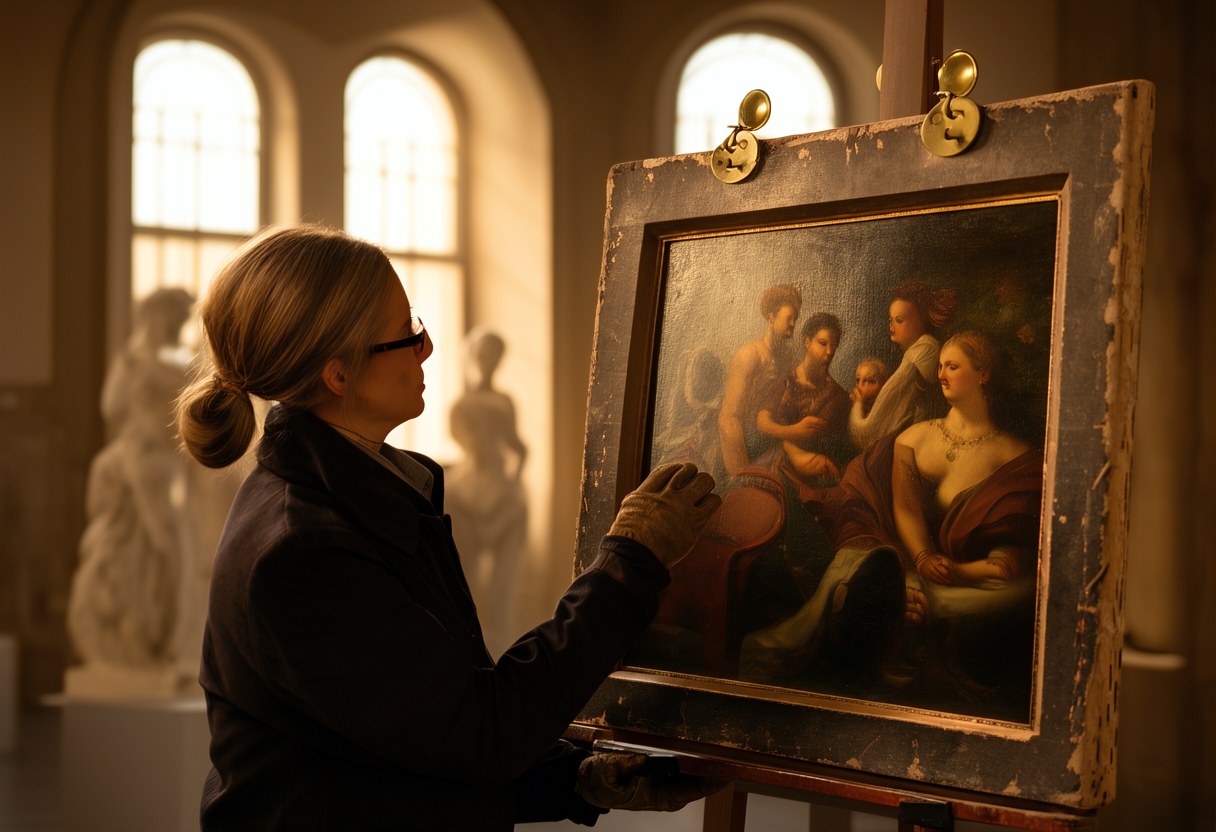
Museums are crucial in preserving art history by safeguarding artworks from damage, theft, and neglect. Advanced conservation techniques, such as climate-controlled environments and protective framing, ensure the longevity of delicate pieces like ancient scrolls or fragile sculptures. Institutions also play a vital role in interpreting art history through curated exhibitions, educational programs, and scholarly research. For example, the Metropolitan Museum of Art’s “Heavenly Bodies: Fashion and the Catholic Imagination” exhibition explored the intersection of religion, fashion, and art, drawing connections between historical and contemporary works.
Moreover, museums act as repositories of collective memory, housing artworks that document significant historical events and cultural milestones. The Vietnam Veterans Memorial in Washington, D.C., for instance, incorporates artistic elements to honor and commemorate the sacrifices of those who served in the Vietnam War. By preserving and interpreting these works, museums help future generations understand and learn from the past.
06How can individuals develop their art appreciation skills?
Developing art appreciation skills involves a combination of education, practice, and exposure to diverse artworks. Enrolling in art appreciation courses, such as those offered by universities or online platforms like Coursera and Khan Academy, provides structured learning on art history, techniques, and analysis. Visiting museums and galleries regularly allows individuals to engage with original artworks and observe details that may not be apparent in reproductions. For instance, seeing a Van Gogh painting in person can reveal the texture and depth of his brushstrokes, enhancing understanding and appreciation.
Additionally, reading art criticism, attending artist talks, and participating in guided tours offer valuable insights into the creative process and the intentions behind artworks. Joining art appreciation groups or forums can also foster discussions and exchange ideas with fellow enthusiasts. Practicing sketching or painting can further deepen appreciation by providing firsthand experience with artistic techniques and challenges. As skills develop, individuals can begin to form their own interpretations and critiques, contributing to the ongoing dialogue surrounding art.
- Enroll in art appreciation courses or workshops.
- Visit museums and galleries regularly to view original artworks.
- Read art criticism and books on art history and techniques.
- Attend artist talks, lectures, and guided tours.
- Join art appreciation groups or online forums.
- Practice sketching, painting, or other artistic techniques.
- Engage in discussions and form your own interpretations.
Art appreciation is an ongoing journey that enriches our understanding of human creativity and cultural heritage. By exploring the techniques, history, and cultural contexts of artworks, we gain insights into the artists’ visions and the broader societal influences that shape their work. Whether through formal education, museum visits, or personal practice, developing art appreciation skills allows us to engage more deeply with the visual world and discover the profound connections between art and life.
07Frequently asked questions
How do museums determine which artworks to acquire for their collections?
Museums acquire artworks through purchases, donations, or bequests. Curators assess potential acquisitions based on their relevance to the museum’s mission, the quality of the artwork, and gaps in the existing collection. They may also consider the artist’s significance and the artwork’s historical or cultural value. Collaboration with scholars and experts ensures informed decisions.
Why is art history important in understanding museum collections?
Art history provides the context needed to interpret museum collections. It helps viewers understand the cultural, social, and political influences that shaped the artworks. By studying the evolution of artistic styles and movements, visitors can appreciate the significance of each piece and its place within the broader narrative of human creativity and expression.
How do museums ensure the preservation of their collections?
Museums use advanced conservation techniques to preserve artworks. This includes controlling environmental factors like temperature and humidity, using archival materials for storage, and conducting regular maintenance. Specialized conservators may restore damaged pieces using non-invasive methods. Digital documentation and research also play a crucial role in safeguarding the collection’s integrity over time.
What role do digital technologies play in enhancing access to museum collections?
Digital technologies allow museums to share their collections online, making art accessible to a global audience. High-resolution images, virtual tours, and interactive exhibits enable remote viewers to explore artworks in detail. Online databases and educational resources provide context and background information, fostering a deeper understanding of the pieces and their historical significance.